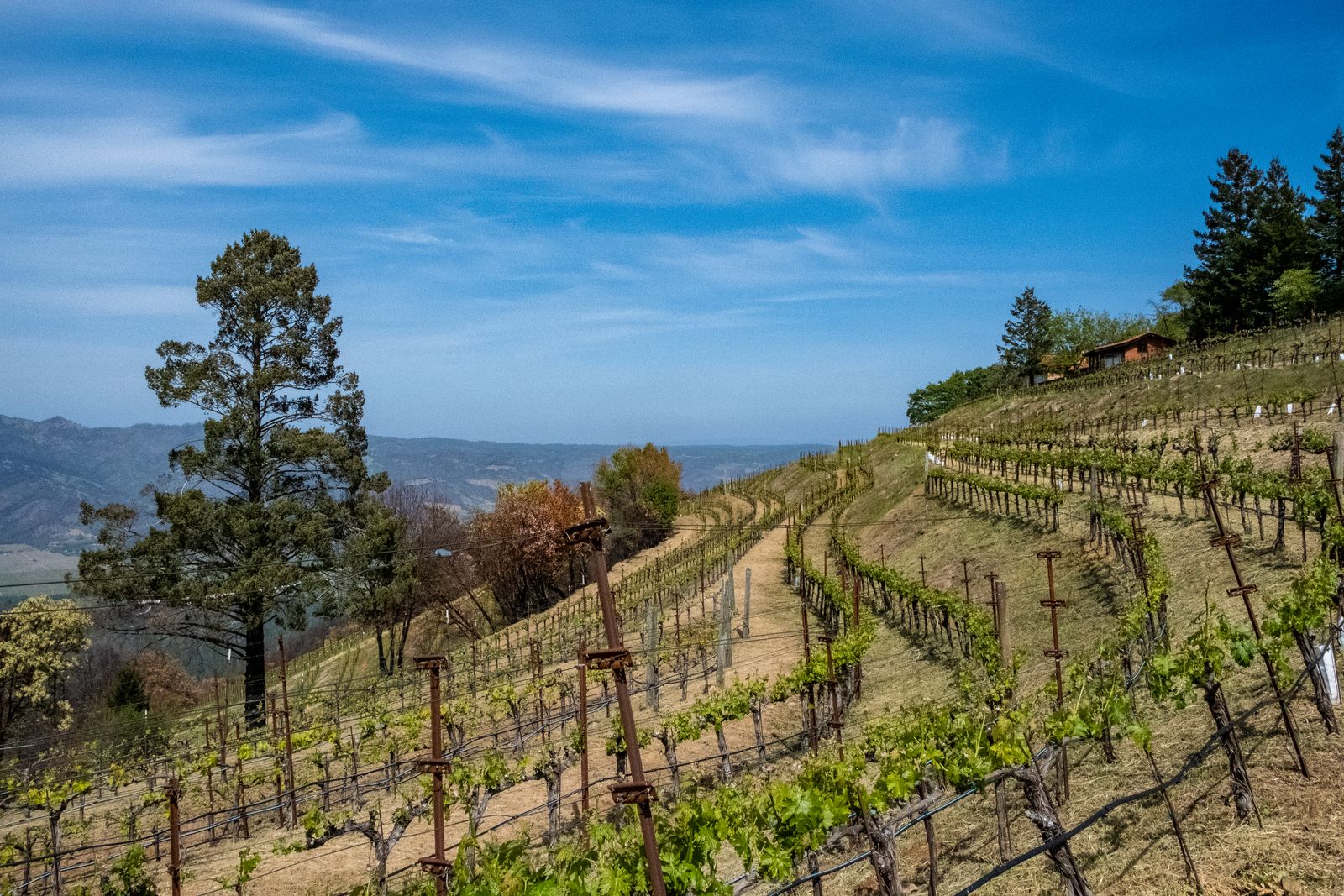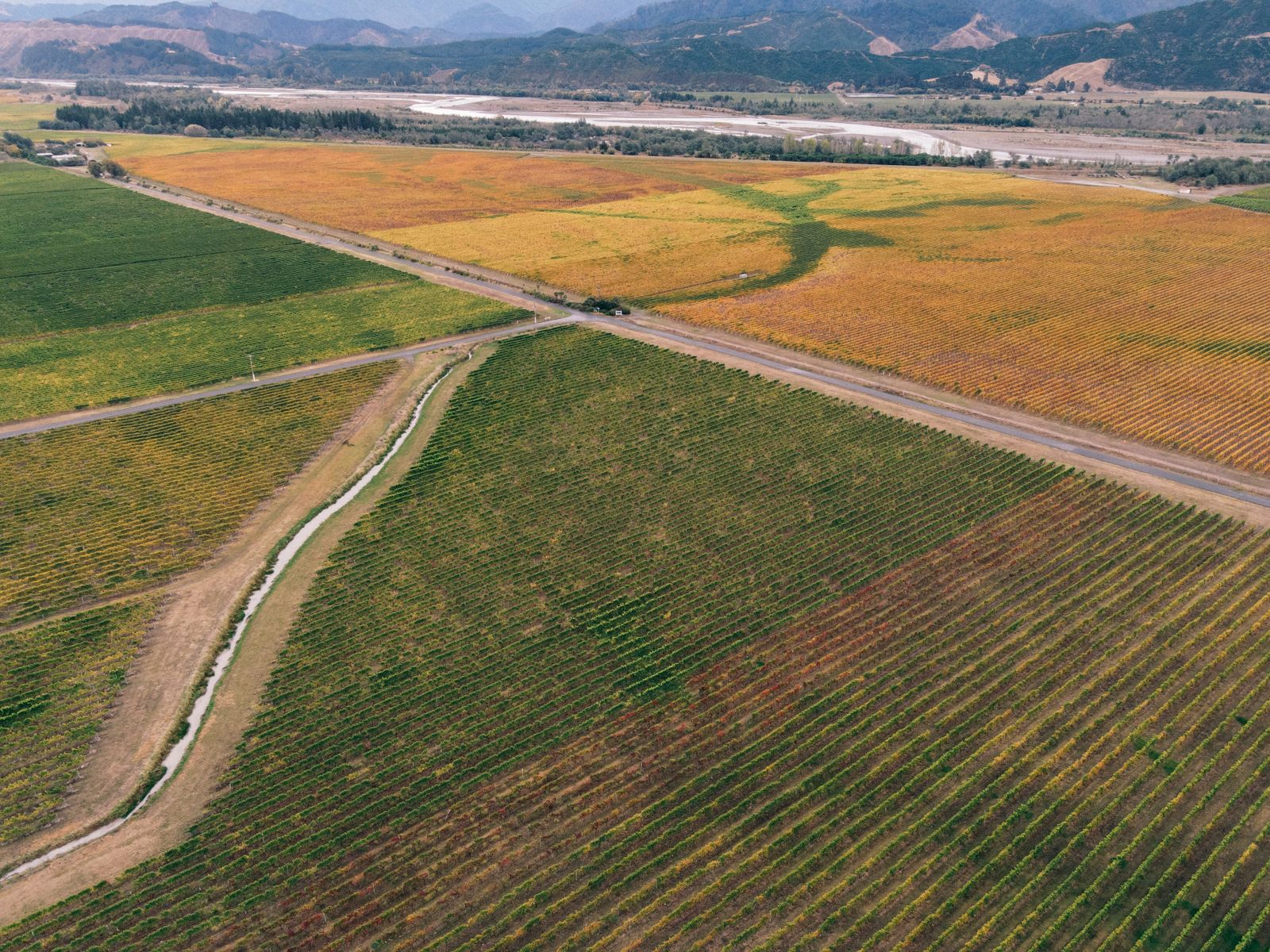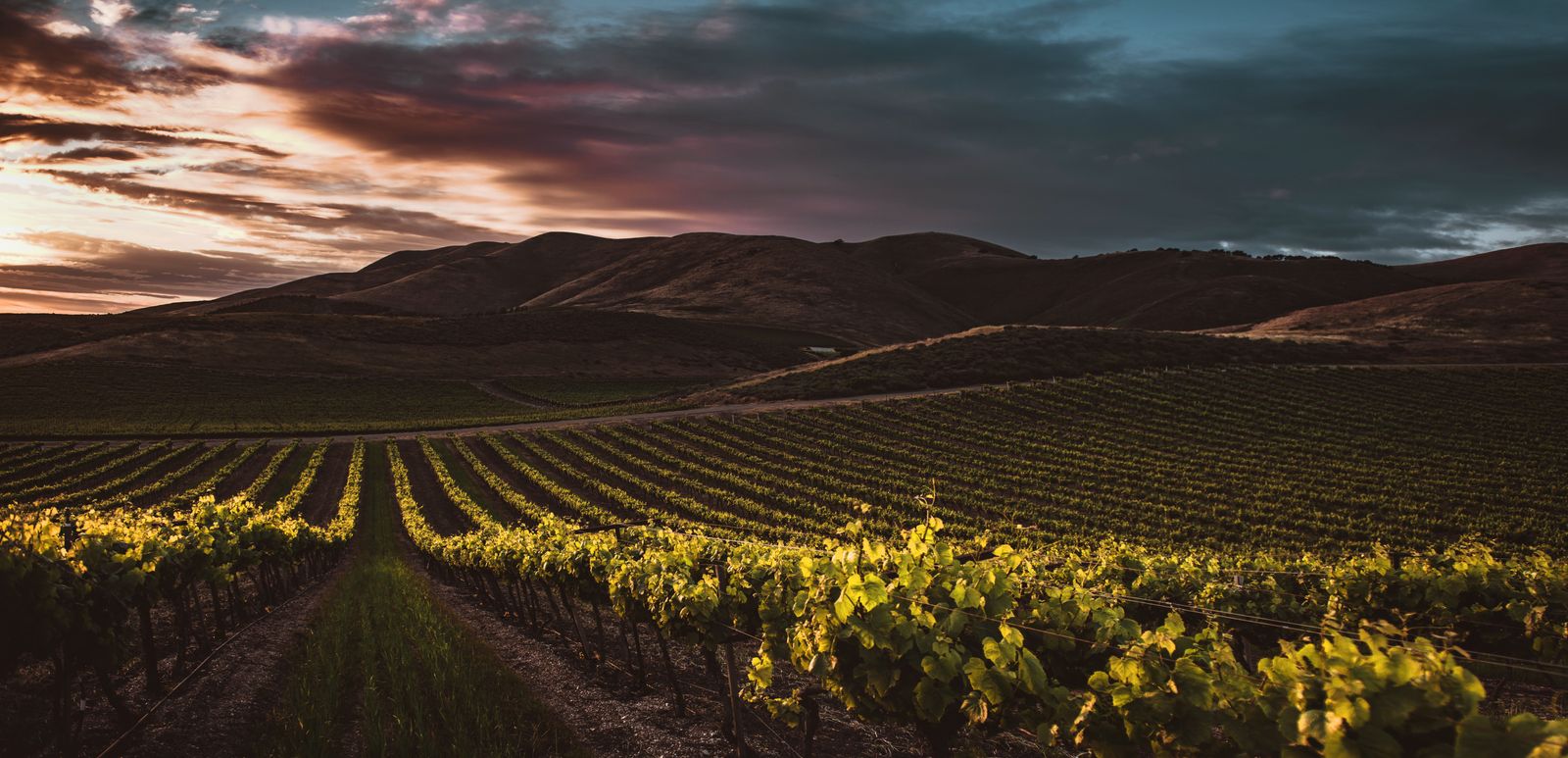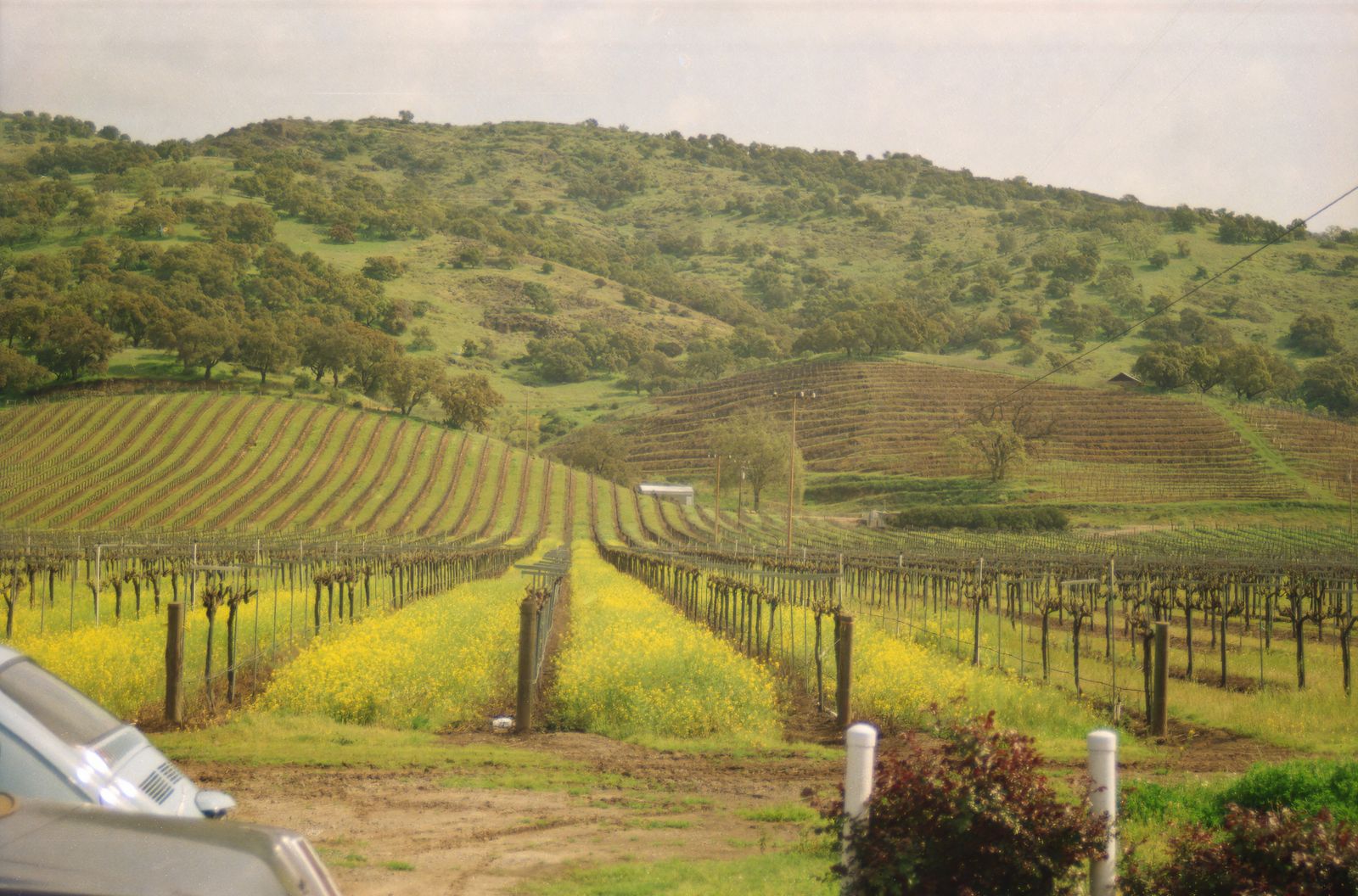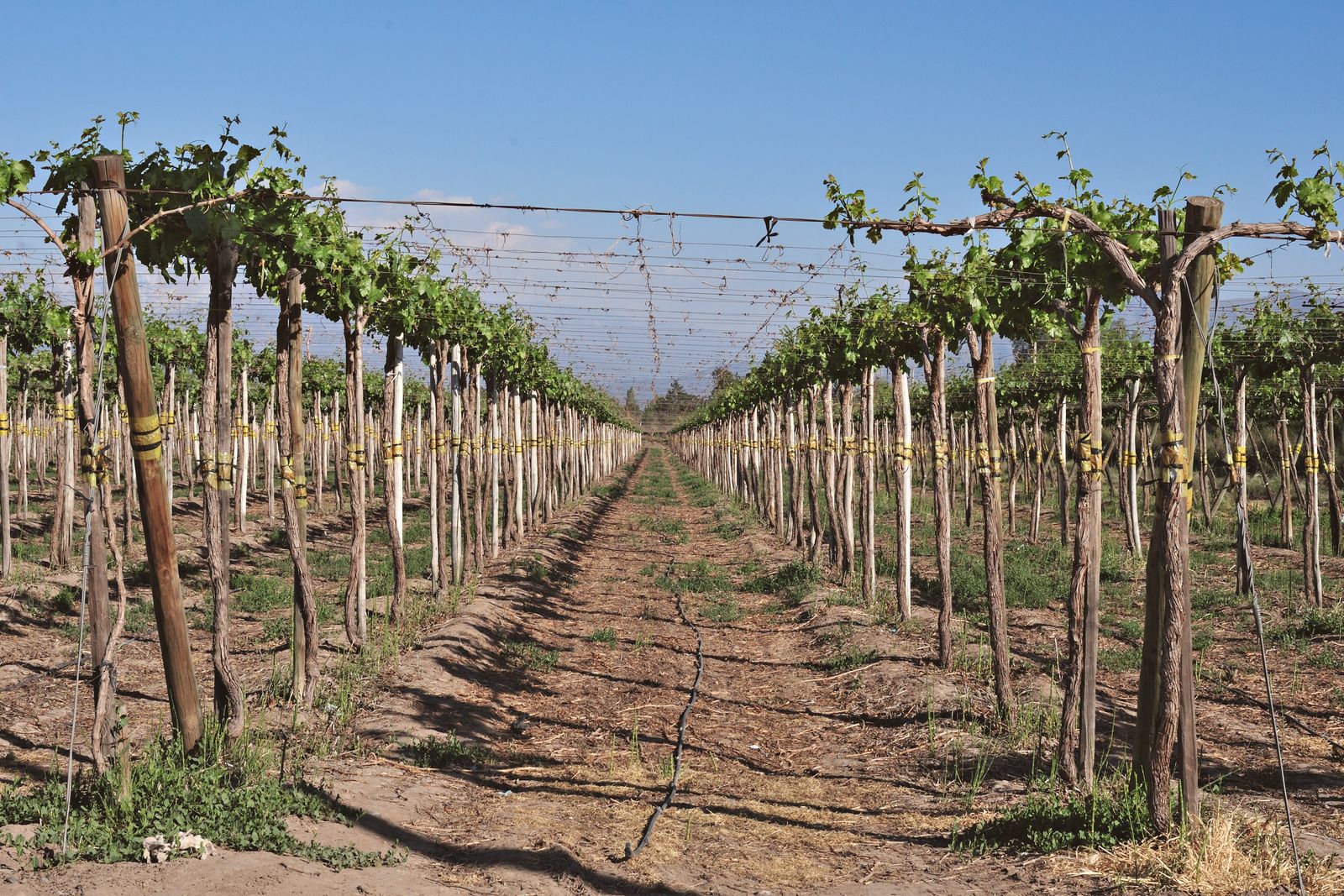
My great-grandfather Anders planted the first Cabernet on this land in 1912. Every September since, give or take a few difficult years, the Lindqvists and the people who work with us have picked those rows by hand. Harvest is still the most important time of year at The Alder House, and it's the time I most love sharing with guests.
Deciding when to pick
It starts in August, weeks before the first grape is cut. Our vineyard manager, Rosa Delgado, walks the eleven acres every morning, tasting berries from different corners of each block. She's checking sugar with a refractometer, but she's also chewing seeds, which turn from green and bitter to brown and nutty as the fruit ripens.
The decision to pick is a mix of numbers, instinct and weather forecasts. A heat spike can push sugar up quickly, while an early rain can mean picking sooner than planned. Some years we pick the whole estate in ten days. Other years, it stretches across five weeks.
The 5 am pick
We harvest at night and at dawn, when the grapes are cool. Cool fruit holds onto its freshness and arrives at the crush pad in better shape. The picking crew, many of whom have worked with us for more than fifteen years, move down the rows with headlamps, curved knives and yellow bins.
A skilled picker can fill a half-ton bin in well under an hour. It is fast, physical work and the crew is paid by the bin, which is why guests who join us on our Harvest Weekend pick alongside a team member rather than slowing the whole row down.
Nothing tastes like a grape eaten straight off the vine at sunrise, still cold from the night.
Sorting and crush
By 9 am the bins arrive at the crush pad behind the stone cellar. Everything is sorted by hand on a vibrating table, where the team removes leaves, raisins and any clusters that aren't perfect. It's slow, but it's the single biggest difference between a good wine and a great one.
The sorted clusters go through a destemmer, which gently pops the berries off the stems without crushing them completely. From there, the fruit moves into small stainless steel and oak fermenters, each holding a different part of the vineyard so Marisol and our winemaker can taste them separately later.
Fermentation and punch-downs
Within a few days, native yeasts begin turning sugar into alcohol. As red wine ferments, the grape skins float to the top and form a thick cap. To extract color, flavor and tannin, the cap has to be pushed back into the juice two or three times a day. That is the punch-down, and it smells incredible.
During harvest, guests are welcome to join the afternoon punch-down at 4 pm. It takes about ten minutes, requires some arm strength and is the moment many people finally understand how much work goes into a bottle.
What it means for your stay
If you visit between late August and October, you'll feel harvest everywhere at the house. Trucks pass the porch in the morning, the crew eats lunch at a long table by the barn and Alder Table's menu fills with grape leaves, verjus and the last of the summer tomatoes.
- Join a pick: included in the Harvest Weekend package.
- Punch-downs: daily at 4 pm, free for hotel guests.
- Harvest dinner: a five-course menu served in the vineyard on Saturdays.
From vine to glass
The wine we make this autumn will rest in French oak in the cellar for about twenty months, then in bottle for another year before release. It's a long wait. But when guests who picked with us return a few years later and taste the vintage they helped harvest, it's one of the best moments we share. We hope you'll be one of them.